Updated 2 July 2026
Bird mesh is the only product that physically closes the gap under your panels — the proven way to keep pigeons out for good. But material grade and fitting make the difference between a 10-year fix and a job you redo in two. Here's what to look for before you buy.
For sealing the perimeter gap under rooftop solar panels, use purpose-made epoxy-coated 304 stainless steel bird mesh, clip-mounted to the panel frame. It's the one specification that excludes birds, survives Australian UV and coastal air for a decade or more, and never touches the roof. Galvanised hardware mesh and plastic netting are the two materials that fail.
Solar panel bird mesh is a rigid wire mesh cut to the height of the gap between the panel frame and the roof — usually 100 to 150mm — and fixed around the full perimeter of the array. Done properly it forms a continuous barrier that physically excludes pigeons and other birds from the sheltered void beneath the panels, without restricting the airflow the panels need to run cool.
That void is the entire reason birds nest there: it's warm, elevated, shaded and predator-free. Spikes, gels and fake owls don't remove it, which is why they fail. Bird mesh is the only approach that takes the nesting space away — close the gap and the attraction is gone.
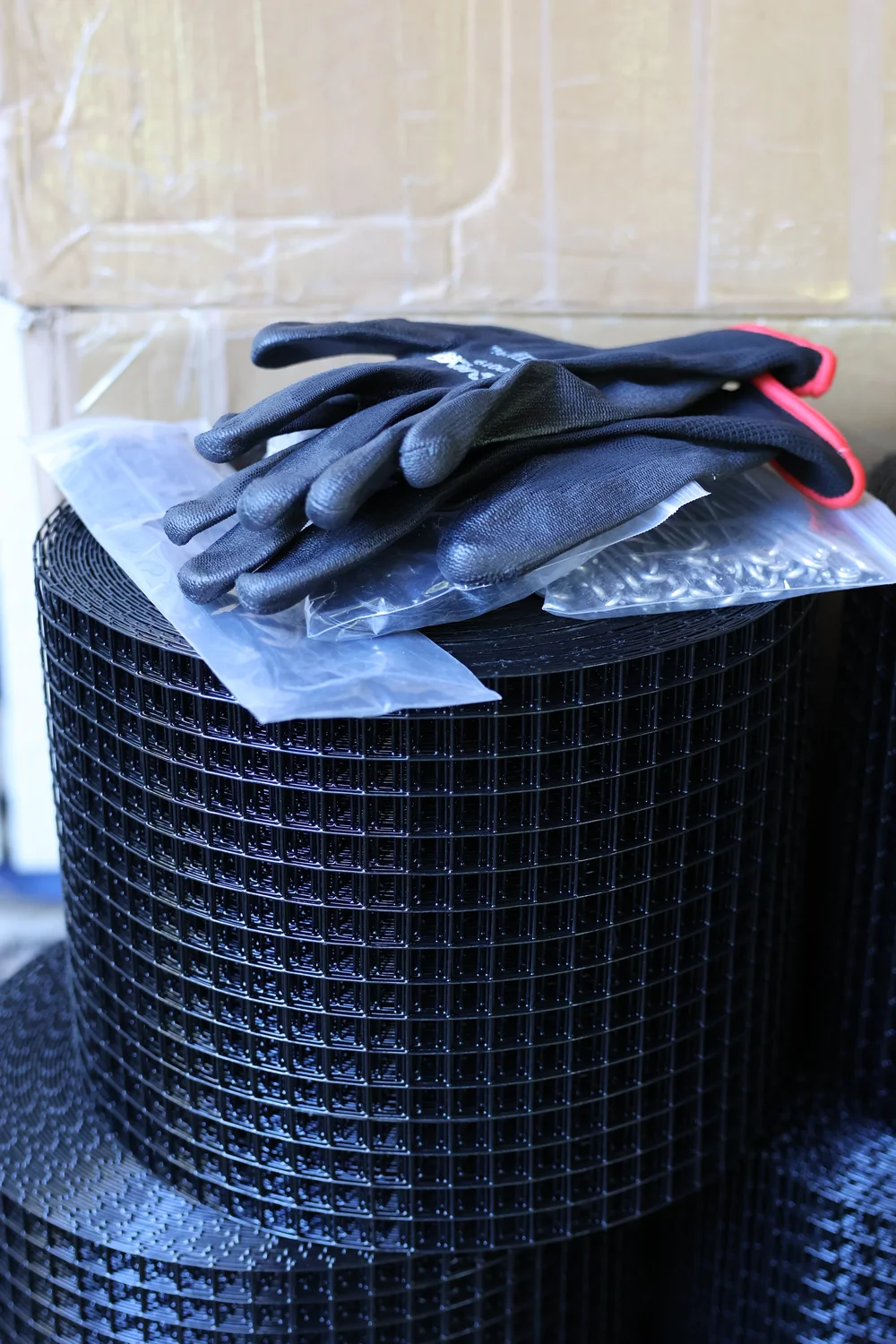
Most of the "bird proofing mesh" sold for solar panels falls into three categories. The material is what decides whether you fit it once or fit it twice.
The correct specification. Marine-grade 304 wire with an epoxy coating resists the UV, humidity and salt air that destroy lesser materials. It holds its shape under a decade-plus of thermal cycling, won't stain the roof, and is the only material we warrant for 10 years. This is what professional installers fit and what our DIY kit supplies.
The hardware-store option, and the most common false economy. Galvanised mesh starts to oxidise within two to three years in Australian conditions — it rust-stains the roof, the wire sags and springs open at the clips, and birds are back under the panels. Cheaper per metre, but you pay again when it fails — see our kit vs Bunnings comparison.
Polyethylene netting and PVC mesh are made for balconies and open voids, not panel perimeters. They can't be tensioned cleanly into the gap, go brittle under UV within a few seasons, and can trap birds against the panels. For a side-by-side on this, see bird mesh vs netting vs spikes.
Whether you're buying a kit or vetting a quote, the same five things separate solar panel bird protection that holds from the kind that doesn't:
Getting any of these wrong is how most failed jobs happen. If you're vetting an installer, read the common bird proofing mistakes first.
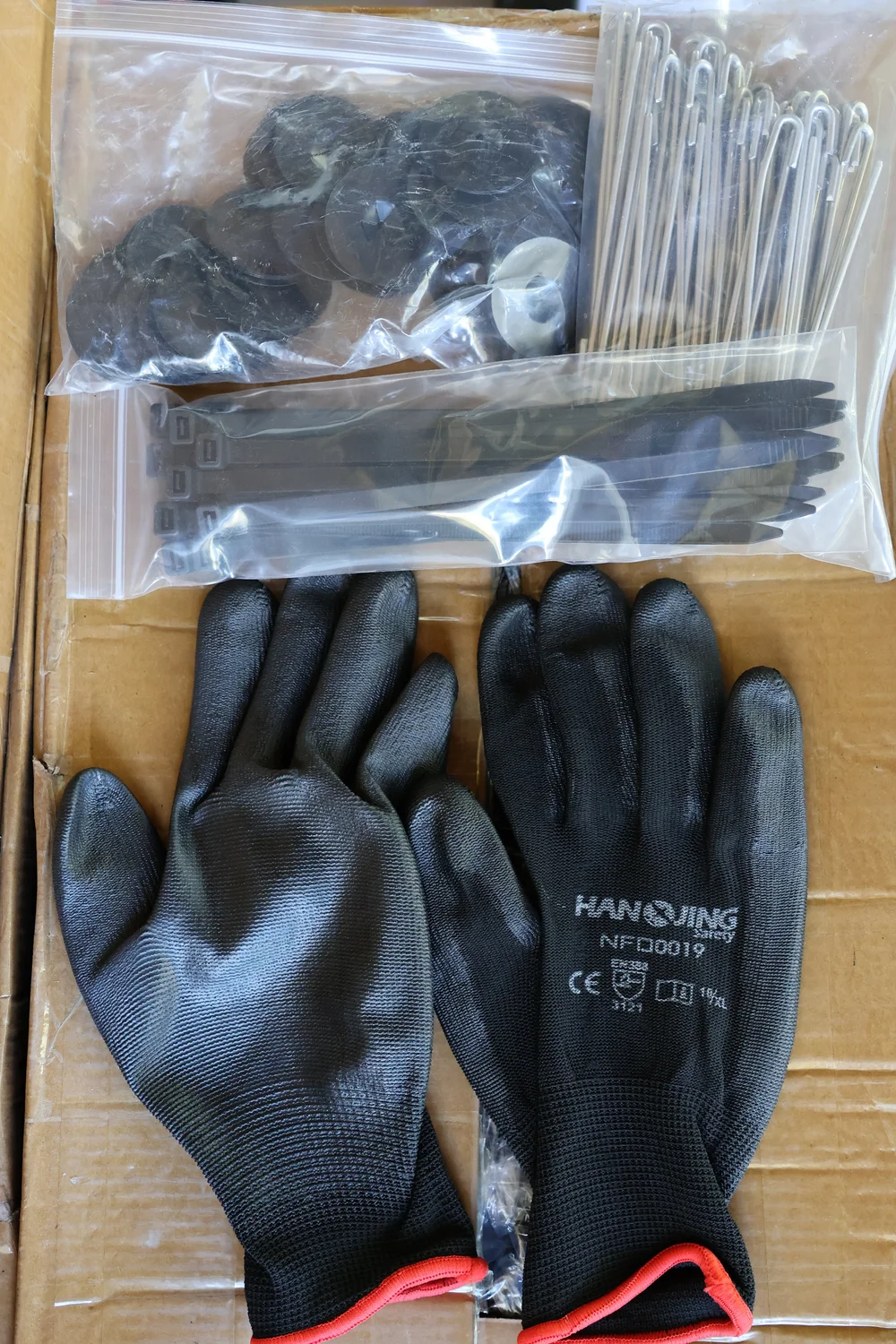
There are two ways to buy. The DIY mesh kit is $180 including GST for a 30-metre roll of the same epoxy-coated 304 stainless mesh we install professionally, with stainless clips included — enough for a typical residential array. It's available Australia-wide and ships from Brisbane within 1–2 business days.
Professional installation is $23 per metre, all-inclusive — that covers nest and debris removal, custom fitting around corners and cable entries, a photo and video completion report, and the 10-year product warranty plus a lifetime labour warranty. A standard home is usually quoted from the panel count and perimeter; the full breakdown is on the up-front pricing page.
DIY suits single-storey roofs with a low pitch and safe access. If your roof is two-storey or steep — or you'd just rather it be handled and warranted end to end — professional installation is the safer call.
The mesh is the same either way — the choice is who fits it. Our DIY solar panel mesh kit gives you the 304 stainless roll and clips with a step-by-step install guide, so a confident DIYer with safe roof access can do it in an afternoon.
Across Brisbane, Ipswich, Logan and Redcliffe we also fit it for you: professional solar panel mesh installation at $23 per metre, with the nest clear-out, completion report and full 10-year warranty handled. Still seeing birds return after a previous attempt? That usually means the gap was never fully closed — here's how to stop pigeons under solar panels for good.
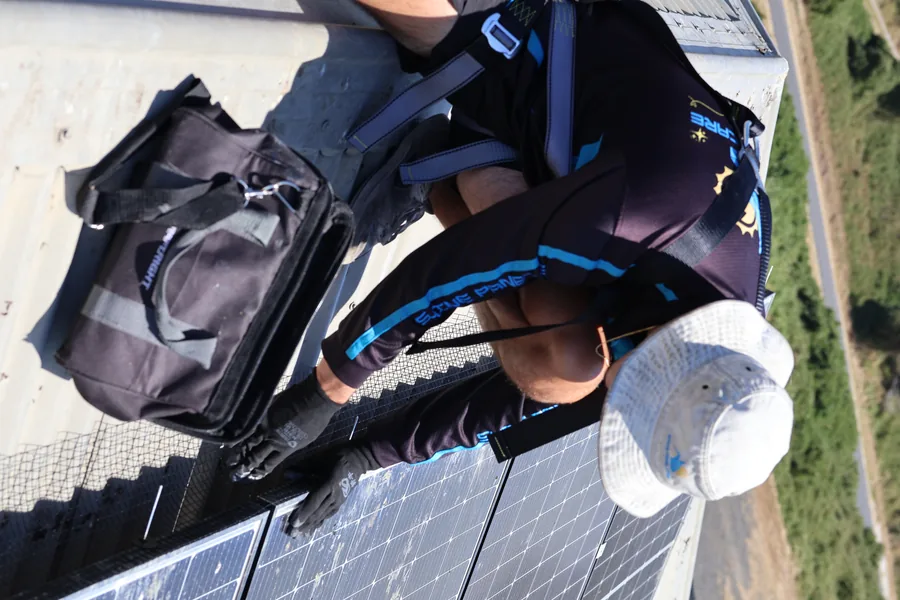
Epoxy-coated 304 grade stainless steel mesh, clip-mounted to the panel frame. It resists corrosion in Australian UV and coastal air for a decade or more, where galvanised wire rusts within two to three years and plastic mesh goes brittle.
No. Galvanised mesh is cheaper per metre but oxidises within a few years in Australian conditions — it rust-stains the roof, sags, and springs open at the clips, letting birds back in. Stainless 304 is the only material worth fitting to a roof you don't want to revisit.
Yes, if your roof is single-storey with a low pitch and safe access. Our DIY kit is $180 including GST for a 30m roll with clips and a step-by-step guide. For two-storey or steep roofs, professional installation is the safer option.
Not when it's clip-mounted. The stainless clips grip the panel frame without penetrating anything, so your roof and panel manufacturer warranties stay intact. It's drilling into frames or tiles — which some installers still do — that voids warranties.
For solar panels, yes. Netting suits large open structures but can't seal the under-panel gap cleanly, sags, UV-degrades and can trap birds. Rigid perimeter mesh is purpose-built for the gap. The full comparison is in bird mesh vs netting vs spikes.
304 stainless, no-drill clips, 10-year warranty. $180 DIY kit shipped Australia-wide, or $23/m installed across Brisbane.